





@Organic473
Volgen
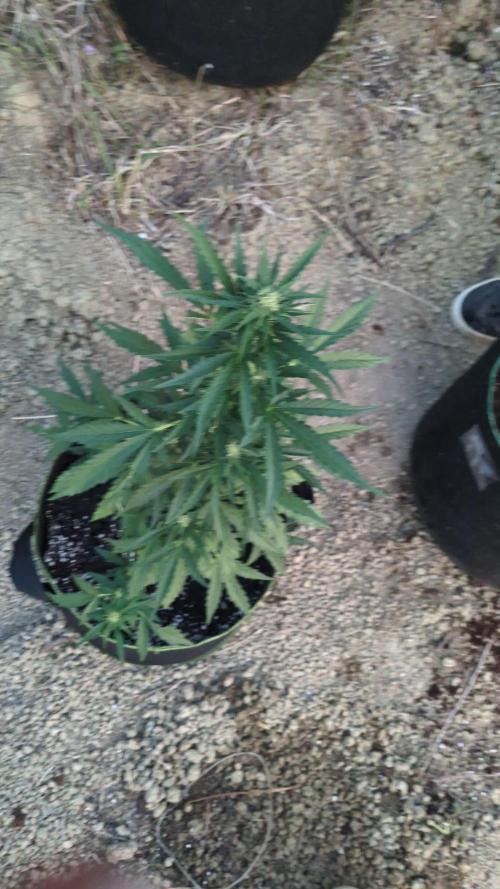
42 days in flower…more sunlight as Tropic of Cancer makes its way to the Caribbean 12/12.


@Sato_Growing
Volgen
Going to add week comment soon cause i have a lot of work to dooo ! :P
You can understand i suppose happy new year with a lot of trimming job to do <3


shorts_status_processing


@Patillac31
Volgen
Start of week 7 and GSC is one happy lady. Pistil's are slowly turning orange at day 37. Tricomes are thickening and nugs are starting to put on mass. Looking forward to the weeks to come. Any suggestions or comments drop me a line. Happy Gardening 🙏🖖🌱👴🏼


@Afterglow
Volgen
Всем большой большой привет! Мы уже очень большие к концу второй недели и кажется скоро буду делать топпинг, а к концу 3-ей недели можно будет переводить на цвет.
Может показаться, что я как-то обманываю вас и растить начал давно, а фотографирую специально так, буд-то бы куст так быстро растет. Все по чесному! Он растет очень быстрыми темпами. Как я уже говорил, правильно буферизированный кокос, ежедневный полив, хорошая влажность и результат не заставит вас ждать.
Специально фотографировал ежедневно в одно и тоже время, с одного и того же ракурса и с одним и тем же фокусным расстоянием.
Первый раз вижу, чтобы в том месте, где-то находятся семядоли что-то начинало расти, обычно к 3-ей недели они отсыхают и отваливаются. Чо уж говорить, у нас ожирение ))))
Да, и первый раз на таком сроке начало пахнуть... Я удивился прям. Сорт на половину Skunk, так что предчувствую, что пахнуть на цвете будет очень и очень сильно. Специально поменял уголь в обоих фильтрах, надеюсь поможет.
Листья первого этажа (трилистника), это которые сразу после семядолей, в длину аж 11 см. Главный стебель толщиной уже 6мм. Наросло 4 этажа, формируется пятый.
Буду как обычно на 5-ом этаже резать и формировать корону из 8-10 стволов, как получится.
Спасибо что заглянули, всем удачного грова!


@pifflestikkz
Volgen
Day 64
02/09/24 Monday
Feed today using de-chlorinated tap water pH 6 with calmag.
Day 66
04/09/24 Wednesday
De-chlorinated tap water pH 6 today only. Smell is really coming on strong now!!
Day 68
06/09/24 Friday
Feed again today using de-chlorinated tap water pH 6 only.
Day 69
07/09/24 Saturday
De-chlorinated tap water pH 6 only today.
Mould 😔🤦♂️
Absolutely gutted!! Had a very humid past 3 days, wet with no wind... 2 plants have suffered...
Auto Orange Bud has lost a side branch.
Auto critical orange punch has lost her main colar, and 2 sides, the yeild is going be to now be appalling, but this is due to environmental, not the seed or genetics, as far as they go this was one of the strongest and biggest in the group
Day 70
08/09/24 Sunday
(END of week)
Feed today using de-chlorinated tap water pH 6.
☠️ Auto critical orange punch 🍊👊
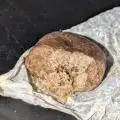
Had to remove completely, after isolating the rest of the greenhouse, mould persistently grew on her. The remaining plants after 2 days isolation have been moved indoor to finish underground 600w hps and a more controlled environment.


@Guerrilla_grower777
Volgen
06/08/2025 20:15
Good climate but one day in the middle of the week had 2h of heavy Rain with some hail(FUCK) that damaged one branch of the frostbanger
Gorilla z bumping and frosting all good
Frostbanger unbelievable how frost It can be on her very first days of flower,this Will be frost and a banger😂
Apricot auto and Coco milk now transplanted ,had some problems bringing them here that's why they look sad
Fucking boars this place Is so dangerous right now


@Weedwithwes
Volgen
Week 9 day 65 autoflowers
Royal Queen seeds organic living soil.
Tropicana cookies was top dressed 4 tbs of Gia green 284 power boom and 1 tbs of glacier rock.
Watered with recharge ph 6.00
Granddaddy purple not top dressed late into flower already
North thunderfuck not top dressed. Do not like the slow growth, structure, amount of leaf in veg. Hoping m for big stretcher or bud packer


@xTaps
Volgen
Gave just some water, no nutrients. Dimmed the light down to 65%, I think the green gelato got some light stress.




@Ultraviolet
Volgen
What's in the soil? What's not in the soil would be an easier question to answer. 16-18 DLI @ the minute. +++ as she grows.
Probably not recommended, but to get to where it needs to be, I need to start now.
Vegetative @1400ppm 0.8–1.2 kPa 80–86°F (26.7–30°C) 65–75%, LST Day 10, Fim'd Day 11
CEC (Cation Exchange Capacity):
This is a measure of a soil's ability to hold and exchange positively charged nutrients, like calcium, magnesium, and potassium. Soils with high CEC (more clay and organic matter) have more negative charges that attract and hold these essential nutrients, preventing them from leaching away.
Biochar is highly efficient at increasing cation exchange capacity (CEC) compared to many other amendments. Biochar's high CEC potential stems from its negatively charged functional groups, and studies show it can increase CEC by over 90%. Amendments like compost also increase CEC but are often more prone to rapid biodegradation, which can make biochar's effect more long-lasting. biochar acts as a long-lasting Cation Exchange Capacity (CEC) enhancer because its porous, carbon-rich structure provides sites for nutrients to bind to, effectively improving nutrient retention in soil without relying on the short-term benefits of fresh organic matter like compost or manure. Biochar's stability means these benefits last much longer than those from traditional organic amendments, making it a sustainable way to improve soil fertility, water retention, and structure over time. Needs to be charged first, similar to Coco, or it will immobilize cations, but at a much higher ratio.
a high cation exchange capacity (CEC) results in a high buffer protection, meaning the soil can better resist changes in pH and nutrient availability. This is because a high CEC soil has more negatively charged sites to hold onto essential positively charged nutrients, like calcium and magnesium, and to buffer against acid ions, such as hydrogen.
EC (Electrical Conductivity):
This measures the amount of soluble salts in the soil. High EC levels indicate a high concentration of dissolved salts and can be a sign of potential salinity issues that can harm plants.
The stored cations associated with a medium's cation exchange capacity (CEC) do not directly contribute to a real-time electrical conductivity (EC) reading. A real-time EC measurement reflects only the concentration of free, dissolved salt ions in the water solution within the medium.
98% of a plants nutrients comes directly from the water solution.
2% come directly from soil particles.
CEC is a mediums storage capacity for cations. These stored cations do not contribute to a mediums EC directly.
Electrical Conductivity (EC) does not measure salt ions adsorbed (stored) onto a Cation Exchange Capacity (CEC) site, as EC measures the conductivity of ions in solution within a soil or water sample, not those held on soil particles.
A medium releases stored cations to water by ion exchange, where a new, more desirable ion from the water solution temporarily displaces the stored cation from the medium's surface, a process also seen in plants absorbing nutrients via mass flow. For example, in water softeners, sodium ions are released from resin beads to bond with the medium's surface, displacing calcium and magnesium ions which then enter the water. This same principle applies when plants take up nutrients from the soil solution: the cations are released from the soil particles into the water in response to a concentration equilibrium, and then moved to the root surface via mass flow.
An example of ion exchange within the context of Cation Exchange Capacity (CEC) is a soil particle with a negative charge attracting and holding positively charged nutrient ions, like potassium (K+) or calcium (Ca2+), and then exchanging them for other positive ions present in the soil solution. For instance, a negatively charged clay particle in soil can hold a K+ ion and later release it to a plant's roots when a different cation, such as calcium (Ca2+), is abundant and replaces the potassium. This process of holding and swapping positively charged ions is fundamental to soil fertility, as it provides plants with essential nutrients.
Negative charges on soil particles: Soil particles, particularly clay and organic matter, have negatively charged surfaces due to their chemical structure.
Attraction of cations: These negative charges attract and hold positively charged ions, or cations, such as:
Potassium (K+)
Calcium (Ca2+)
Magnesium (Mg2+)
Sodium (Na+)
Ammonium (NH4+)
Plant roots excrete hydrogen ions (H+) through the action of proton pumps embedded in the root cell membranes, which use ATP (energy) to actively transport H+ ions from inside the root cell into the surrounding soil. This process lowers the pH of the soil, which helps to make certain mineral nutrients, such as iron, more available for uptake by the plant.
Mechanism of H+ Excretion
Proton Pumps: Root cells contain specialized proteins called proton pumps (H+-ATPases) in their cell membranes.
Active Transport: These proton pumps use energy from ATP to actively move H+ ions from the cytoplasm of the root cell into the soil, against their concentration gradient.
Role in pH Regulation: This active excretion of H+ is a major way plants regulate their internal cytoplasmic pH.
Nutrient Availability: The resulting decrease in soil pH makes certain essential mineral nutrients, like iron, more soluble and available for the root cells to absorb.
Ion Exchange: The H+ ions also displace positively charged mineral cations from the soil particles, making them available for uptake.
Iron Uptake: In response to iron deficiency stress, plants enhance H+ excretion and reductant release to lower the pH and convert Fe3+ to the more available form Fe2+. The altered pH can influence the activity and composition of beneficial microbes in the soil. The H+ gradient created by the proton pumps can also be used for other vital cell functions, such as ATP synthesis and the transport of other solutes. The hydrogen ions (H+) excreted during photosynthesis come from the splitting of water molecules. This splitting, called photolysis, occurs in Photosystem II to replace the electrons used in the light-dependent reactions. The released hydrogen ions are then pumped into the thylakoid lumen, creating a proton gradient that drives ATP synthesis.
Plants release hydrogen ions (H+) from their roots into the soil, a process that occurs in conjunction with nutrient uptake and photosynthesis. These H+ ions compete with mineral cations for the negatively charged sites on soil particles, a phenomenon known as cation exchange. By displacing beneficial mineral cations, the excreted H+ ions make these nutrients available for the plant to absorb, which can also lower the soil pH and indirectly affect its Cation Exchange Capacity (CEC) by altering the pool of exchangeable cations in the soil solution.
Plants use proton (H+) exudation, driven by the H+-ATPase enzyme, to release H+ ions into the soil, creating a more acidic rhizosphere, which enhances nutrient availability and influences nutrient cycling processes. This acidification mobilizes insoluble nutrients like iron (Fe) by breaking them down, while also facilitating the activity of beneficial microbes involved in the nutrient cycle. Therefore, H+ exudation is a critical plant strategy for nutrient acquisition and management, allowing plants to improve their access to essential elements from the soil.
A lack of water splitting during photosynthesis can affect iron uptake because the resulting energy imbalance disrupts the plant's ability to produce ATP and NADPH, which are crucial for overall photosynthetic energy conversion and can trigger a deficiency in iron homeostasis pathways. While photosynthesis uses hydrogen ions produced from water splitting for the Calvin cycle, not to create a hydrogen gas deficiency, the overall process is sensitive to nutrient availability, and iron is essential for chloroplast function.
In photosynthesis, water is split to provide electrons to replace those lost in Photosystem II, which is triggered by light absorption. These electrons then travel along a transport chain to generate ATP (energy currency) and NADPH (reducing power). Carbon Fixation: The generated ATP and NADPH are then used to convert carbon dioxide into carbohydrates in the Calvin cycle. Impaired water splitting (via water in or out) breaks the chain reaction of photosynthesis. This leads to an imbalance in ATP and NADPH levels, which disrupts the Calvin cycle and overall energy production in the plant. Plants require a sufficient supply of essential mineral elements like iron for photosynthesis. Iron is vital for chlorophyll formation and plays a crucial role in electron transport within the chloroplasts. The complex relationship between nutrient status and photosynthesis is evident when iron deficiency can be reverted by depleting other micronutrients like manganese. This highlights how nutrient homeostasis influences photosynthetic function. A lack of adequate energy and reducing power from photosynthesis, which is directly linked to water splitting, can trigger complex adaptive responses in the plant's iron uptake and distribution systems.
Plants possess receptors called transceptors that can directly detect specific nutrient concentrations in the soil or within the plant's tissues. These receptors trigger signaling pathways, sometimes involving calcium influx or changes in protein complex activity, that then influence nutrient uptake by the roots. Plants use this information to make long-term adjustments, such as Increasing root biomass to explore more soil for nutrients. Modifying metabolic pathways to make better use of available resources. Adjusting the rate of nutrient transport into the roots. That's why I keep a high EC. Abundance resonates Abundance.
shorts_status_processing


@Mr_Motalovah
Volgen
Hello Growers and Tokers! 👋 👩🌾 🧑🌾.🔥💨
Great second week of flower.
She’s getting a nice flower stretch.
Info and photos were taken 12 days into flower.
Beginning of the week was 50cm and is now at 62cm tall.
That's 12cm in one week!! 👏👏👏
Feeding 1,5L each, every other day. Will be increasing as they ask for more.
How do they ask for more?
When feeding if the soil is drier than normal I give a 150-200ml increment of water.
I do that until they stop feeding so much then i just maintain that amount.
I start reducing if it takes longer to dry.
That works good for me. The old finger in the dirt trick. 👍
Nothing like knowing exactly what your ladies need first hand.
She’s looking good and healthy.
Nice lime green color going..
Plenty of new growth every where.
Smell is starting to be a little noticeable but nothing stinky yet.
There’s a few main colas that are standing out and stacking nicely.
Haven’t done any work on her since the 12/12 defoliation.
When 21 days passes I’ll give her a nice defoliation and taking away unwanted under growth.
Very happy with how she turned out.
She struggled at first but now she’s looking gorgeous. 😍😍
Stay tuned to see her progress.
If you like what you see, check out the other strains in the tent.
Take care and stay safe! 😃


@Mr_nugs_lover_David
Volgen
The ladies are opening up nicely after 48hs of planted (2 days) as normal, the pheno #1 has opened first let's see how they keep developing!


@love_2_grow
Volgen
D92.
At the start of week eight of flower, the girls are simply doing their thing and slowly bulking up.
I gave each girl 1.25 liters of water @ pH 6.6.
------------------------------
D93.
I brewed compost tea (worm castings, rock dust, kelp meal, biochar, oatmeal) and gave each girl 2.5 liters @ pH 6.6.
------------------------------
D95.
Each girl got 2.5 liters of water @ pH 6.6 with FFJ, humic acid, and a teaspoon of Epsom salt.
------------------------------
D98.
We're at the end of week eight of flower, and we're heading toward the final stretch. I guess another two to four weeks until harvest.
Today, each girl got 2.5 liters of water @ pH 6.7.
------------------------------


@Cannabis_Sativa
Volgen
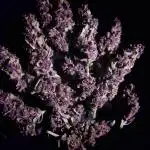
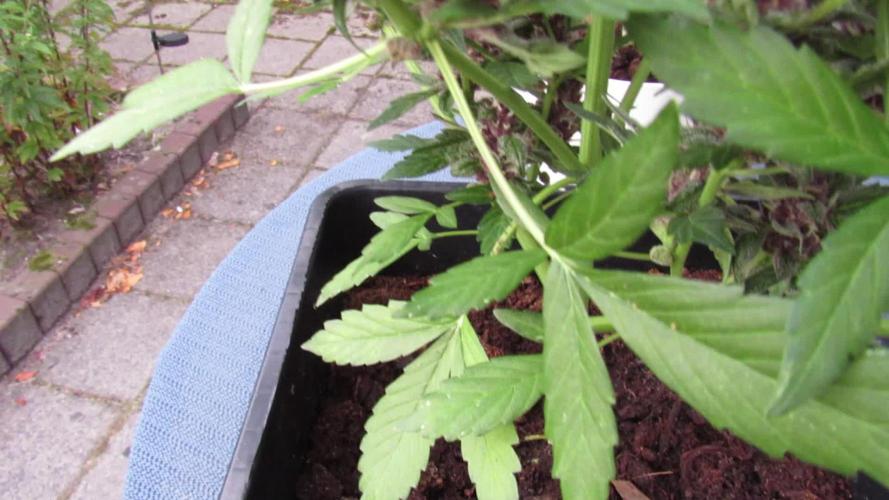
Late flowering smels is awesome like sweet and spiecy both on melane aroma tricome heads are coloured and ready to harvest

@Hologram
Volgen
Rapier looking so sweet! 😍👌
next update will be a harvest! (ithink.. must beware of budrot.. next week weather is gonna change for the worst..)
happy growing 4all✊
KISS! growtechnique: KeepItSimple, Stupid!
shorts_status_processing


@ElGlorietaExtracts
Volgen
15/05/2020
Se realizan los transplantes de los esquejes a macetas de tela de 11 litros (quedaran 2 por transplantaren la proxima semana (zkittlez i Ozk))
Se mezcla el Supersoil anteriormente activado con el sustrato a utilizar
Se añade azos y mykos en el cepellon y en el agujero de la tierra donde ira el esqueje
Se riegan con mammoth y bud candy
Se sacan al exterior sin que les de el sol directo durante unos dias hasta que cojan un poco de fuerza


@GermGrowFox
Volgen
Eine neue Woche steht an. Ich hab mich jetzt nun nach vielem hin und her überlegen doch dazu entschieden die Blüte einzuleiten. Ich bin gespannt was passiert und freu mich auf die Woche.
25. November
Cookies gelato wurde mit 4l gegossen zusätzlich noch mit Green sensation und Bloom Dünger.
Tropimango wurde mit 2,5l gegossen ebenfalls mit Green Sensation allerdings ohne zusätzliche blütenährstoffe. Es sollte genügend florganics im subtratsein, dass es vorerst nicht nötig sein sollte zusätzlich Nährstoffe geben zu müssen.
Royal Runtz hat 3l Wasser mit green sensation und Blütendünger erhalten.
26. November
Pflanzen wachsen. Bin zufrieden. Heute besteht kein Handlungsbedarf.
27. November
Der dritte Blütetag. Man merkt dass die Pflanzen an Wachstum zulegen wollen.
Cookie gelato und Tropimango wachsen uneingeschränkt.
Die Runtz hat einen Bruch erlitten und ich hab kein Superkleber oder Panzertape da
28. November
Aus mir unerklärlichen Gründen scheint das bisschen Kreppband auszureichen, um den gebrochenen Ast am Leben zu erhalten. Würde behaupten zu 4/5 war er durchgebrochen und hielt eher an einem Rindefaden. Reicht scheinbar um den Ast weiterhin mit allem zu versorgen.
Habe leichte Sorge dass der ganze Stress, den die Runtz bisher schon hat mitmachen dürfen, zu Zwitterbildungen.
Cookie Gelato kommt weiterhin vorwärts.
Tropimango hat 3l Wasser bekommen. Sie hatte als einzige einen furztrockenen Topf
Cookies Gelato ist nun 46 Tage alt
Tropimango ist nun 41 alt.
Royal Runtz ist nun 30 Tage alt
Blütetag 4
29. November
Cookies Gelato 4l Wasser bis Drenage
Roy’s Runtz 3l Wasserbis Drenage
Ab- und Umluft wurde auf AC Infinity umgerüstet und läuft jetzt über ein growcontrol.
Fyta-Sensoren liefern mir jetzt aktuelle Zahlen aus dem Substrat.
1. Dezember
Die Woche neigt sich langsam dem Ende zu und es ist einiges passiert.
Die Runtz hat einen Bruch diese woche erlitten aber entwickelt sich prächtig. Der gebrochene Ast ist der stärkste. Traue mich allerdings noch nicht das Klebeband zu entfernen.
Die Cookies sieht wunderschön aus ❤️
Tropimango muss immer wieder entlaubt werden, macht sonst gute arbeit.
Das Zelt hat einige Upgrades bekommen und die neuen Möglichkeiten auf Messungen, klimabedingungen und Substratanalysen erleichtern einiges.


