


Likes
Comments
Share


@TheBudWhisperer
Follow
Background
Fingers crossed that these Spicy Bitch regs provide at least one male so that we can back build some stock of it. In the event that does take place we’ve got a single clone of each strain from the previous pollen chuck to sit in the tent with them so they can make babies for the next few months. The whole point of the last year was to start making some foundational genetics for a third generational cross we could call our own. If you’ve been following along than you’ll know that it’s been anything but easy. Our previous pollen picks didn’t pan out at all so we’re back to the drawing board with a new option from ExoticSeeds.
This’ll be a 10 plant run with 5 regs and 6 strains for pollination including the strain itself.
We’re running in a 2x4 MarsHydro grow tent all powered by a Mars Sp6500. That’s a little more than 600w packed into half the recommended footprint😳. Why? you ask - because we like our buds big and overcompensatory😂. Really, I’m just of the mind that we can pack more light into this space than recommended and get much better results. The math doesn’t lie. At least not as long as I wasn’t high when using the calculator again…..
Many thanks to @MarsHydroLED for the opportunity to test run the equipment👊.
In addition, we’ve also moved to a new nutrient system - Druid Nutrients out of the Netherlands. They don’t really have a presence on GD yet but you’ll be hearing about them very soon I’m sure. The beauty of this system is that it’s literally a 1 (one) component system for the entirety of the plants grow cycle. It really has changed the game in terms of ease of feeding and maintenance. It’s also very versatile and seems to provide everything needed across multiple different strains in the same ratios. Keep your eyes peeled for these folks. Pretty much a guarantee that they absolutely blow up once more people know about them👍👌😎.
Strain Background
Spicy Bitch: predominantly sativa, heavy yielder with a daytime kinda trip profile. It’s a cross of Queen Mother and a Pre-2000 AK47. We’ll pull what pollen we can and hope to have a female run out a larger supply of seed for the future.
Many thanks to @Exoticseeds for the chance to give these beans a go👍👊.
Pollination Strains:
Holy Surfer S1 - this is one of the focal points for this cycle. A fellow growmie was kind enough to ship over some S1 genetics I took an interest in. The only ask back was that if I did cross it to send a few his way for testing👍. Shoutout and cheers to @blendmedmedman. Hoping to have something back to ya in short order. For full details on this alluring hybrid option check my buddies link at seedfinder -
https://en.seedfinder.eu/strain-info/Holy_Surfer/Smiling_Tiger/
Northern Lights - this came from a particularly interesting batch of seeds that have shown a very dependable variegation trait. It’s a compact and squat plant requiring very little maintenance. Typical for the strain really. It’s been chosen as an option to potentially mellow out the high , shorten the stature of the resulting hybrid and inject it with some of that mellow indica effect.
Boogie Nights - total shot in the dark. Still haven’t even tried the strain myself yet but it was available at the right time and interesting enough to make a salad with. Big thanks to AMS who’ve been nothing short of an excellent seedbank to collaborate with. Expect similar growth characteristics to that of the Northern Lights. Better resilience however.
Blueberry - this particular clone is from extremely strong stock. Spliff seeds broke the mold with this strain. She’s lower maintenance than the NL, more resilient than anything else we’ve got on the menu and the terp. Profile on this girl is out of this world. If we can bring any of these qualities to the cross, then it could be magic👌.
White Widow - garrghh, I just can’t get away from this particular plant. Again, still haven’t even tested the buds yet and all I can say is that the growth characteristics are extremely vigorous and desirable. This plant is one of 3 unicorns that I have yet to tame due to a combo of extremely bad luck and circumstance.
All told, it’s still the same story: a VERY experimental breeding project designed to shotgun a broad swath of genetics against a reliable and dependable Breeder who’s put out proven fire 🔥🤟😎👍.


Likes
9
Share


@Rock_n_Roll_Randy
Follow
THERE IS 4 PHOTOPERIODS LEFT IN THE 5X5 TENT. I WILL BE MOVING ALL OF THE PHOTOPERIODS INTO THE 8X8 TENT ONCE ALL THE AUTOFLOWERS ARE DONE, THEN I WILL SWITH THE LIGHTS TO 12/12
FOR EVERYTHING MARS HYDRO VISIT:
www.mars-hydro.com
www.marshydroled.ca
PROMO CODE: rocknroll
VISIT THE ALIEXPRESS STORE:
@marshydro_aliexpress
Instagram: @marshydropenny
Thanks for taking the time to read and check out my diary🤜🤛
TS3000 FEATURES:
WIDEBAND SUNLIGHT FULL SPECTRUM LED GROW, Infinite close to natural sun light, suit for all plants whole stages indoor growing, rapid plant response from seed to flower, achieve maximum quality and quantity, much better than traditional HPS grow systems.
HIGH REFLECTIVE & NOISE FREE-Fanless LIGHT BOARDS design will make your growing life easy and quiet, quickly heat dispersing material aluminum reducing light lost to aisles and walls, increase the light intensity up to 20%, allowing your plants receive more energy and without burning your plants for maximum headroom.
HIGH EFFICIENCY ENERGY SAVING PLANT LIGHT, high-power NEW LED grow, Compares to traditional 3000 watt HPS lamp and other brand led grow light while only 450 watts true output with 1016 LEDs, more scientifically and energy-efficient! Perfect for 5' x 5' veg stage, 4' x 4' bloom stage, higher intensity in a MARS HYDRO grow tent, reflective area, or by crossing over using multiple TS3000.
BOOM YIELD LARGE GROW LIGHT, NEWEST SMD LED technology provide highest PAR/LUMEN output(1095.6umol/), makes you get 30% higher yield compare OLD led lights, can get max yield at 2.5g/watt, less pay but get more yield, bring a amazing grow trip to any home grower as it beams huge amounts of light energy to plants below.
COMMERCIAL LED GROW LIGHT, Updated easy dimming & daisy chain function, main light controlled, especially come with two waterproof and dimmable Mean Well Drivers, auto sensing power supply works on both 120VAC and 240VAC and 277VAC, suit for Large Rooms and Commercial Setups.
Low Energy-Consuming LED Grow Light: Consuming 300w and also mounted with 1016 chips, TS3000 has the ability to replace a 450w HPS light while reducing 40% power intake.
High Efficiency LED Grow Light: With overall light output PPF 343umol/S as well as amazing PPE 2.3 umol/j, it's 50% even more photon efficient and can assure a 30% more return than the old HPS/MH lights.
Patent Highly-Reflective Hood Shape: The reflector design on TS3000 is patented, which can effectively gather the light dispersed in all directions to enhance its light intensity as well as assist plants in absorbing more light.
Full Spectrum Plants Favorite Spectra: By the unique mix of spectra that makes most light in the 400-700nm waveband, incredibly conducive to plant photosynthesis. Adequate IR(730-740nm) is additionally consisted of in the range to generate larger buds.
Dimming And Daisy Chain Feature Available: Upon an independent dimming button on the external driver, backing 0-100% settings adaptation and up to 30 LEDs daisy-chained in a group, it supplies different light levels for various plant stages meanwhile saving energy.
Safety Certifications And Service Warranty: CE, ETL, RoHS, UKCA security certifications accepted, 50,000 hours durability, 5-year service warranty, and local after-sales repair
5x5 GROW TENT:
LOCK ALL LIGHT INSIDE MARS HYDRO Indoor Grow Tent interior is made of diamond mylar which is highly reflective. (Other brand's mylar and reflective rate is as low as 50%, won't provide efficient light. )MARS HYDRO 1680D canvas, being double stitched, it is tear proof and has perfect light locking. Mars Hydro's grow tent keeps 100% lighting beams inside and helps your plant absorb more lights. EXTRA-THICK --No light leaks or rips at all
DURABILITY GROW TENT Stable metal corner adapters and poles are the trustful supporters of the tent, standing sturdy, neither rusting nor paint-falling, quick easy tool-free installation. Mars Hydro's heavy-duty metal zippers, with double layer black lining, are the best on the market which create a light-proof seal
EASY OBSERVATION FOR YOUR PLANTS. Special observation windows are made by double layers of cloth. Observe the growing conditions of your plants without opening the tent and avoid disturbing plants. The observation window also serves to dissipate heat and ventilate air
AUTOMATIC 6 INCH EXHAUST FAN KIT W/ CONTROLLER:
Mars Hydro 6'' Inline Fan uses a mixed-flow design to maintain peak performance in a high static pressure environment.
GROW TENT FAN: MARS HYDRO inline fans are designed to ventilate hydroponic grow rooms, transfer heating/cooling, cool AV closets, and exhaust odors.
EFFECTIVE VENTILATION: Variable speed controller for easy fan speed adjustment. Optimal ventilation for your planting.
LOW NOISE LEVEL: Durable plastic fan housing and blades for extremely low noise(32dB-A); create a truly quiet growth environment.
EASY INSTALLATION: Removable duct ends with locking tabs for quick removal and easy maintenance and a cord length of 4.9 feet for hassle-free setup. This grows tent fan with a controller for easy fan speed adjustment.
BASIC PARAMETERS: Ventilation exhaust fan size: 6” | Dimensions: 315mm*225mm*210mm. | Weight: 2.7. | Airflow: 402CFM | Noise: 32dB-A | Bearings: Dual Ball.
Likes
70
Share


@ICEGrow
Follow
In einer Woche wird angefangen mit spühlen. Ansonsten läuft es perfekt.
Ich kann es kaum erwarten!!!
Likes
31
Share


@MrJones
Follow
MrJones VIPARSPECTRA XS1000 LED
📜 SUMMARY - I have been given the opportunity to run the next generation of LED lights by VIPERSPECTAR, the XS1000! I set up a Stealth Cabnient and moved 3 Cream Manderain Auto XL.s under these lights, the cabinet set up is automated with WIFI light controllers, and INKBIRD Temperature and Humidity Controllers, I am very excited about this opportunity!
Specs and Discount Codes Listed Below.
🔹🔹🔹🔹🔹🔹WEEKLY GOALS 🔹🔹🔹🔹🔹🔹
🌞Environment - 80F and 55%Humidity - using Humidfyer as needed.
💧 Feeding - Feeding with FOOP Canna Organic Nutrient Line
🍃Training / Super Cropped - and put 2 plants into a training hoop.
🕷️ IPM - Will be using Green Cleaner" 1 OZ per Gallon, and CannControl from Mammoth alternating between product each month for Integrated Pest Management.
💡 Vegetation & Flower (new) Viparspectra XS-1000 Release on March 15th.
🔹🔹🔹🔹🔹🔹🔹🔹🔹🔹🔹🔹🔹🔹🔹
📜 Week 8 and the buds are starting to get larger, thining I may have to clean up a few more fan leaves. great combination of Lights, Nutrients, Environment, and Strain.
🔹🔹🔹🔹🔹🔹🔹🔹🔹🔹🔹🔹🔹🔹🔹
▶️Monday 04.12.21 / Fed about 30 ounces today - looking great!
▶️Tuesday 04.13.21 / Fed about 30 ounces today - looking great!
▶️Wednesday 04.14.21/ laying off the feeding tonight, had to readjust one of the plants this afternoon, added some support to it.
▶️Thursday 04.15.21 / These ladies are doing well, the height is right up to the lights, but still looking pretty good. Drop the feed down to 20 ounces per day.
▶️Friday 04.16.21 / Fed about 20 ounces today - looking great!
▶️Saturday 04.17.21 / Fed about 20 ounces today - looking great!
▶️Sunday 04.18.21 / Fed about 20 ounces today - looking great!
🔹🔹🔹🔹🔹🔹🔹🔹🔹🔹🔹🔹🔹🔹🔹
VIPARSPECTRA XS1000 LED
🔹🔹🔹🔹🔹🔹🔹🔹🔹🔹🔹🔹🔹🔹🔹
Amazon US:
XS1000 10% off: in10MrJones http://yx-8.cn/0y-6
XS1500 5% off: in15MrJones http://yx-8.cn/0yA
XS2000 5% off: in20MrJones http://yx-8.cn/0y2Y
XS4000 5% off: in40MrJones http://yx-8.cn/0y5k
Amazon Canada
XS1000 10% off it10MrJones https://amzn.to/38udUVe
XS1500 5% off: it15MrJones https://amzn.to/3esVUyr
XS2000 5% off: it20MrJones https://amzn.to/3l5zAfg
XS4000 5% off: it40MrJones https://amzn.to/3l7k5Uj

Likes
13
Share


@goeser
Follow
Day 50 since Germaniation. Genetics are really nice and strong. Even against high amounts of nutritions.
Rqs never disappoints but this genetics i like the most so far. Cant wait to see the result
Likes
35
Share


@Mega420
Follow
Day 64 : Week 10, I'm near of the end !! I give her less nutrient to 'wash' her and the last watering will be without nutrient.
I think I will harvest in around 10 days, I can't wait to smoke her after she will have dried 😍
Processing
Likes
46
Share


@Doudou
Follow
Hi bros hope you are doing great !
New diary new adventure and hopefully new colors and flavors before i get to the details i want to give a special thanks to everybody and i mean each one of you for your grows i gained a lot a knowledge being here so thanks to @growdiaries for this great platform and thank you guys ... for this grow i have 4 tents and difference set up and methods for each one of them
1 tent is 80×80×160 with 400 watts hps with 2 mexican airlines in 15L pots (LST)
1 tent is 80X80X160 with 250watts hps with 2 lsd-25 in 15L propots (LST)
1 tent is 80X80X180 with 400 watts hps with 1 chocolate mint OG feminised in 20L propot (Scrog)
1 tent is 120x120x200 with 400 watts hps with 3 sixshooter and 1 lsd-25 in 15L propots (LST)
Im only showing you guys LSD25 with the LST
And the Chocolate ming OG under SCROG
The other 2 grow tents being LST'd aswell ill show u only the harvest but i will do the same low stress so you will be able to pick and choose from the method you like the most.
Advanced nutrients and plagron light mix for six shooter lsd-25 and chocolate mint OG VS biobizz for mexican airlines ( i want to see what is best for me! )
Switching saving lsd's for another grow got a free cheese CBD from dinafem and free so imma try that first


Likes
8
Share


@Kingseeds
Follow
Another powerful strain form in-house genetics (OGKB V 2.1 x Platinum )
pure gassy flavour and aroma which will have all the Kush lovers out there going crazy
Absolutely frozen cola


Likes
13
Share


@Robeeriegenetics
Follow
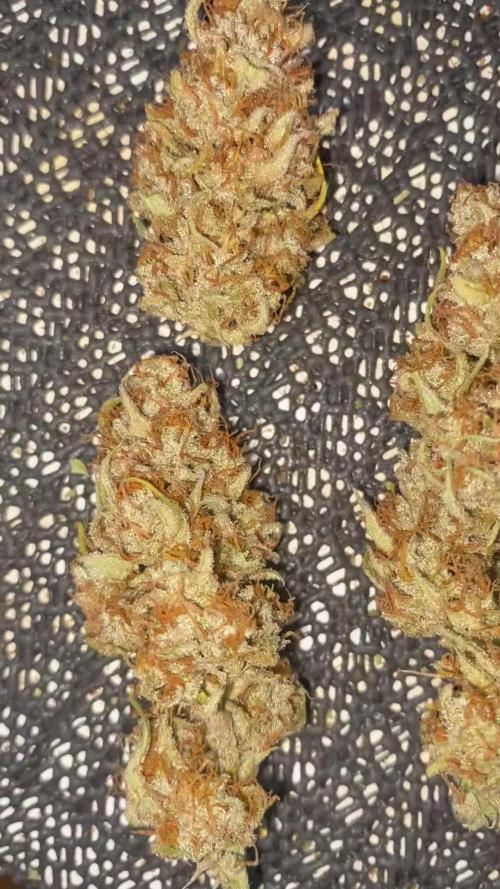
Replacement seeds not fairing well lol but chosen mothers are thriving
Likes
7
Share

Processing
Likes
38
Share


@snowybudz
Follow
There is definitely some deficiencies present. I had planned on doing a flip to flower however this will put me off for another week or two while I correct any nutritional problem. Other than that they look good, very bushy. What do you guys think? Am I going to have a good 1212?

Likes
7
Share


@CanadianFillmore
Follow
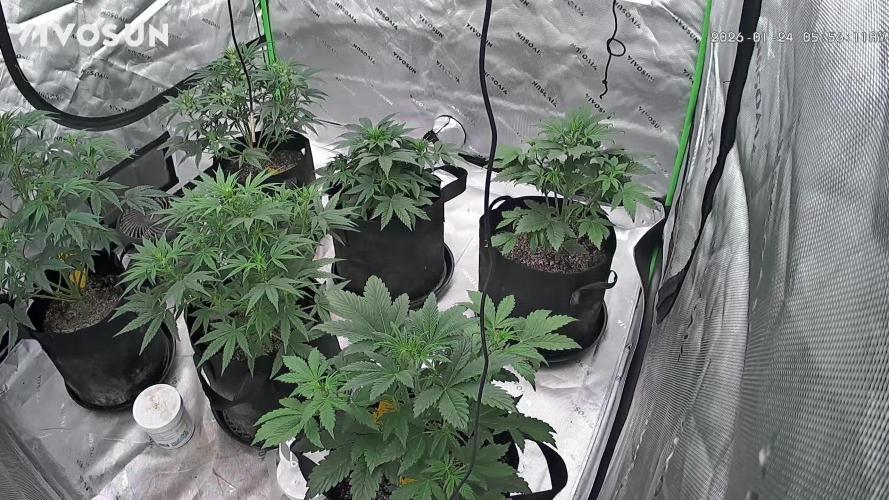
Another week in the books. Plants are really starting to smell, light citrus.



Likes
10
Share


@Mickey_Pearson
Follow
Вторая неделя подошла к концу. По всем показателям четко, хотя на улице начинает теплеть. Смотрите видео)
Раствор NPK 70-100-200 (70%)
Likes
3
Share


@Ogbangbang2981
Follow
this week I was a lil happy because I pollinate my C4matic with a Male pink kush the feminizing spray tiresias mist didn't work the way I thought it would. thank God I had a Male coming up in my outdoor garden...I can already see seeds a little more than I expected, for some reason I only wanted to pollinate 1 bud but got seeds on the main and a few lower buds still happy for that will update images .
Likes
88
Share


@Roberts
Follow
Gorilla Jealousy F1 is making progress. She is just shaking off the stress of 2 neem oil treatments. I have not seen any signs on her. She was just in same area. So it had to be done to try to solve it. I dunno if it is solved yet. I am watching and still looking to find whatever it is. That's all that is really going on. She will be moving to her new tent in avout 2 weeks roughly. Waiting on a plant to finish in there now. Thank you Seedsman, and Spider Farmer. 🤜🏻🤛🏻🌱🌱🌱
Likes
6
Share

@TrickzGrowz
Follow
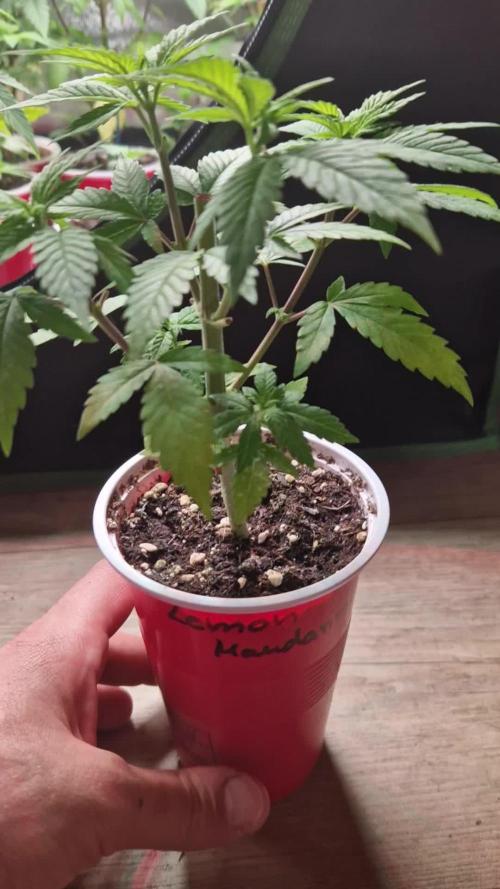
Sie wächst und erfreut sich. Man muss sie aufjedenfall nach dem umtopfen nicht mehr groß trainieren.
Likes
4
Share


Likes
117
Share


@StarLorr
Follow
Welcome to my autø Møøn Røck 1 Diary.
In this Diary:
Seeds: Sponsored by Ðivine Seeðs
Media: Pro~Mix HP *•ns
Nutrients: Remo Supercharged Kit *•ns
*•not sponsored
___________________________
Feeding:
Wed 30Oct: 2L Remo/Recharge pH'd 6.5
Sat 02Nov: 2L Remo/Recharge pH'd 6.5
___________________________
Trichomes are all whites and no amber yet(no pics):(
Buds are heavy on the branches😋
Almost there!
___________________________
Thanks for stopping by, likes and comments are appreciated!👊🏻😎
Keep on growin!
Keep on tokin!!!
😙💨💨💨💨💨
