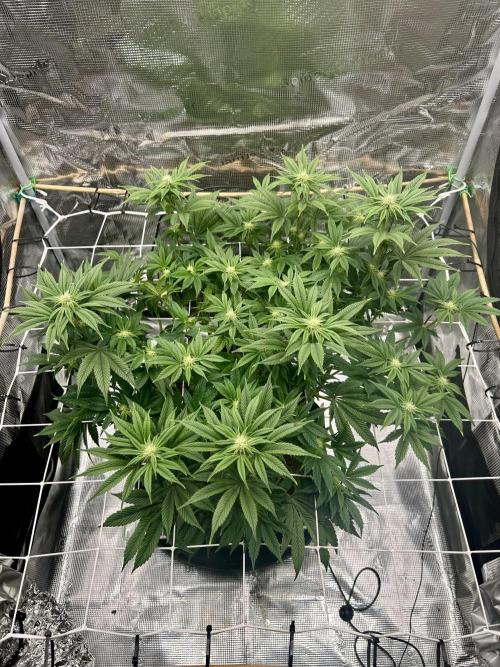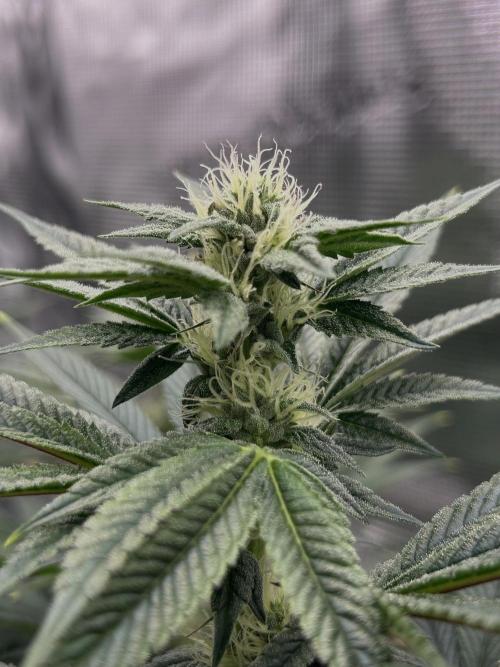
What Actually Makes a Strain Beginner-Friendly?
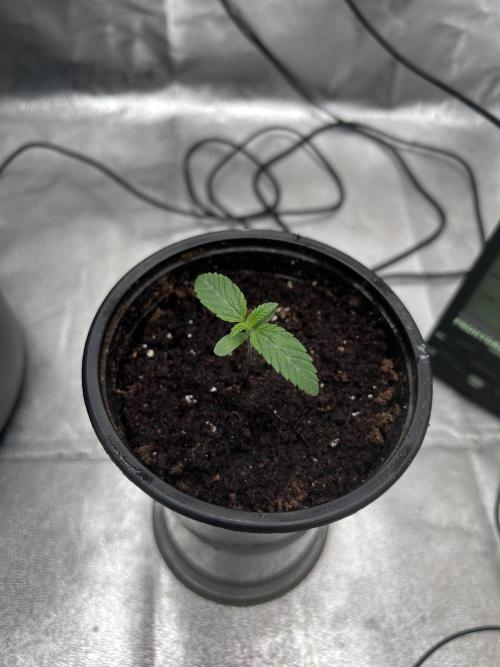
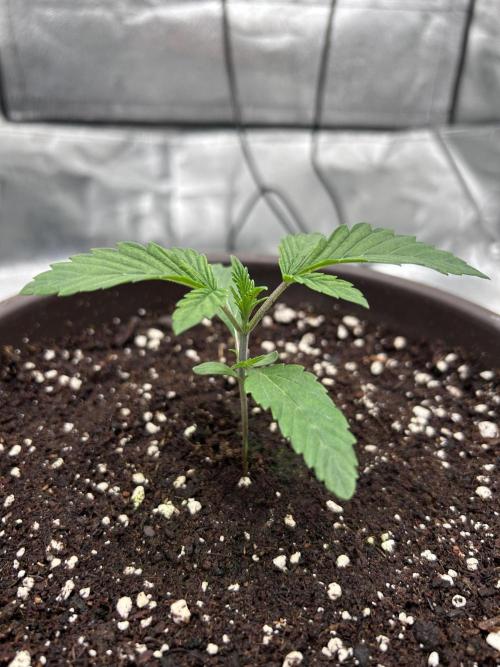
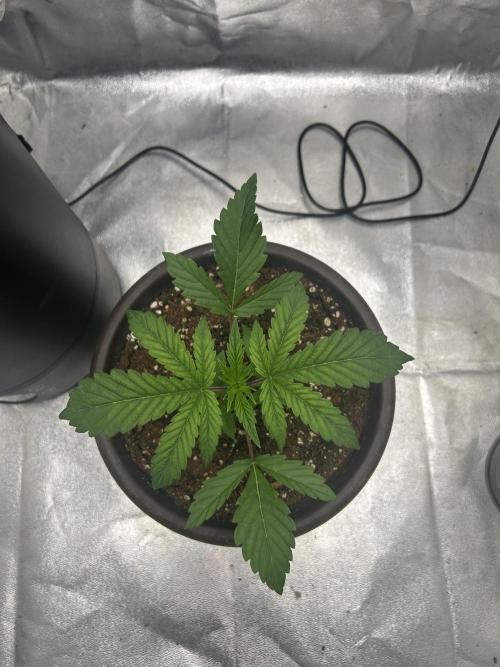
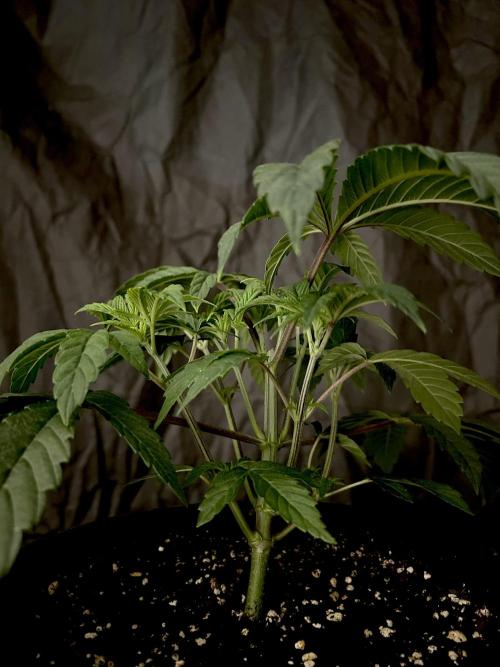
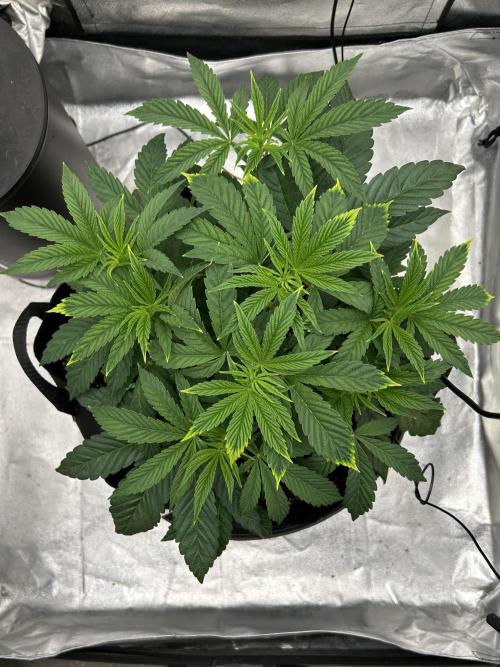
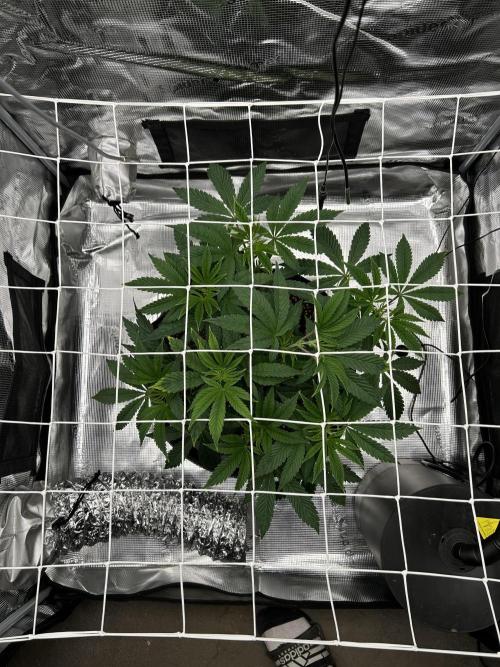
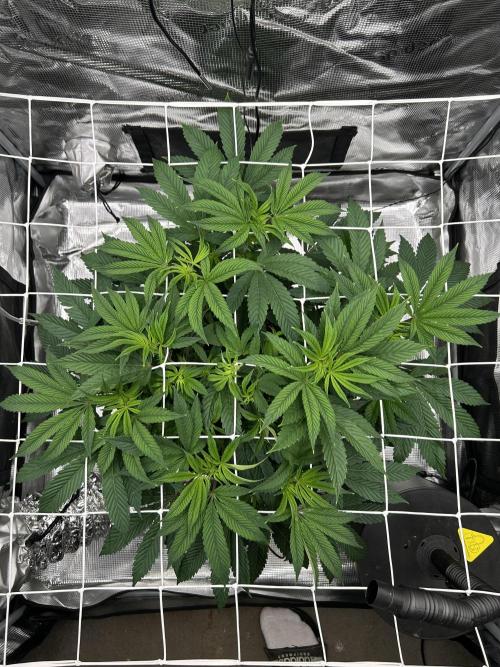
The first cannabis grow rarely goes exactly according to plan. A seedling stretches, watering gets enthusiastic, the light ends up too close, or a plant grows wider than the tent was prepared to handle. Good beginner genetics cannot prevent every mistake, but they can give a new grower enough time to recognize and correct one.

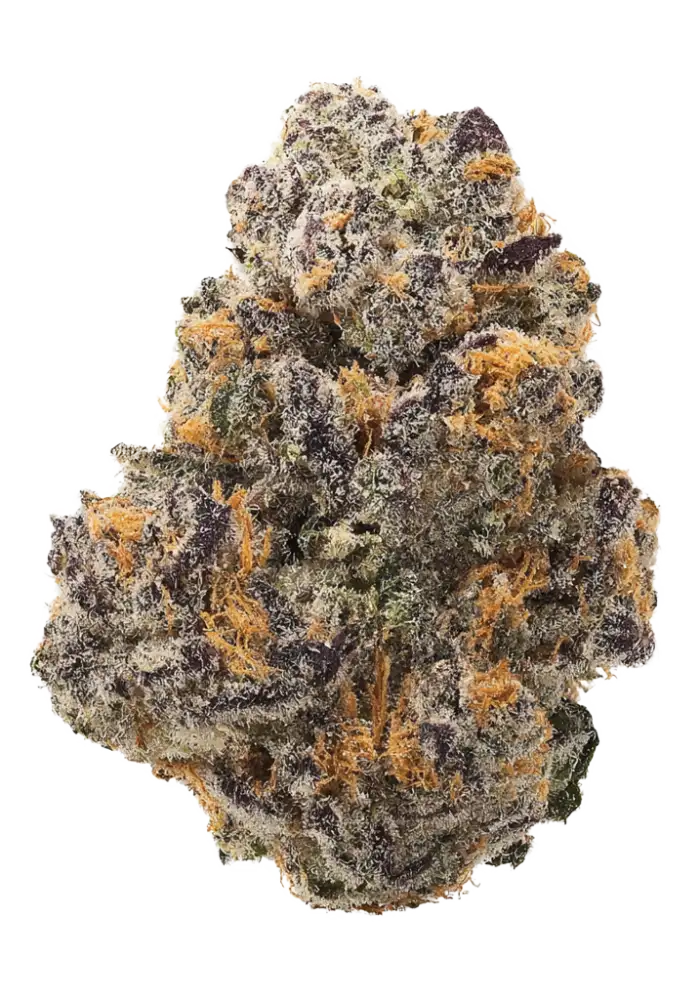
For this selection, we focused on practical qualities rather than simply choosing the fastest or most productive cultivars. Predictable growth, resilience, manageable feeding, response to basic training, and a straightforward flowering stage all mattered. This is not a ranking from easiest to hardest; every strain earned its place by offering a different kind of advantage to a new grower. We also reviewed GrowDiaries reports to see how these plants behaved outside ideal breeder descriptions. Some are almost effortless, while others introduce one useful challenge without turning the first grow into damage control. That variety is intentional: these strains were selected for the different ways they can help beginners build confidence and learn the fundamentals.
Super Lemon Haze originally from Green House Seed Co.
Super Lemon Haze combines vigorous growth with responses that are easy to read. Grower SpliffyRand found that “with the right setup, it wasn’t too hard to grow” in this Super Lemon Haze grow report. The plant establishes itself quickly, handles topping and ScrOG well, and usually recovers without drama when training is introduced carefully. Its GrowDiaries rating currently stands at 8.9. For us, that makes its energy educational rather than intimidating.
Its only real demand is planning. Super Lemon Haze stretches during flowering and may take longer to finish; the same grower needed “about two extra weeks.” Early height control and a little patience turn it into a forgiving introduction to more energetic genetics.
Grower’s Note: Top or gently bend the main branches during vegetation, and switch to flowering before the canopy fills the available space. Keep feeding moderate and let the trichomes - not impatience - decide harvest day.
GMO Cookies originally from Mamiko Seeds
Strong roots and steady vegetative growth make GMO Cookies more approachable than its reputation might suggest. It handles topping and transplanting without excessive stress, while its reactions to watering and feeding are generally clear. In grower Sin_City_Trees’ GMO grow report, the young plant was a “nice and healthy looking seedling” with “no stretching or stunting issues,” and it continued developing well after early training. That solid community reputation is reflected in a 9.1 GrowDiaries rating.
The learning curve shifts in flower: expect noticeable stretch, heavy branches, a longer finish, and an aroma that makes proper filtration essential. None of these are signs of fragile genetics - they simply reward growers who prepare their space instead of improvising later.
Grower’s Note: Top once, introduce LST gradually, and add branch support before the flowers gain weight. Leave enough vertical room and resist harvesting early; with GMO Cookies, waiting is often harder than growing the plant.
“I had no problems!” is how grower in_a_few_weeks summarized the experience in a completed Lemon Mandarin grow report. With only minimal LST and pruning, the plants developed vigorously and filled the available area. GrowDiaries growers currently rate Lemon Mandarin at an impressive 9.5.
Lemon Mandarin does not need an elaborate training plan to form a broad canopy. Its size may surprise a first-time cultivator, particularly because it expands strongly in width, but an enthusiastic plant is easier to manage than one that stalls after every adjustment. What we like most here is that most mistakes can be corrected with space, airflow, and simple training - not specialist techniques.
Grower’s Note: Give each plant more lateral room than seems necessary. One early topping or gentle LST session is usually enough, and we recommend arranging airflow and odor control before flowering.
Purple Punch originally from Supernova Gardens
Purple Punch has the compact, bushy structure many new indoor growers find reassuring. Short internodes simplify height control, while flexible side branches respond well to topping and light training. Across GrowDiaries, Purple Punch holds a strong 8.7 rating.
Much of that approachable character can be traced to its parents. Granddaddy Purple is known for resilient indica growth, manageable height, and a willingness to keep progressing through minor mistakes. Larry OG adds healthy lateral development and a structure that responds well to basic training. Together, they give Purple Punch a stable, workable frame that should make small corrections less stressful for a newcomer. The only area requiring closer attention is late-flower density, when airflow through the center becomes especially important.
*The featured grow report follows Purple Punch from another breeder, but the cultivar is based on the same Granddaddy Purple × Larry OG genetics.
Grower’s Note: Open the center gradually with gentle LST and remove only leaves that seriously restrict airflow. Its height is easy to manage, but late-flower humidity deserves attention as the buds become denser.
Mimosa originally from Symbiotic Genetics
Mimosa is a lively hybrid that introduces canopy management without being especially temperamental. Its current GrowDiaries rating is 8.4. It stretches enough to make topping, LST, and ScrOG worthwhile, giving a new cultivator a clear demonstration of how early training shapes the final plant.
Once that structure is established, Mimosa can become surprisingly hands-off. In a Symbiotic Genetics Mimosa grow report, grower Esoteric_growing planned one final defoliation before letting the plant run “pretty much on autopilot.” The caution is simple: control the stretch early and avoid stripping so many leaves that its natural momentum slows.
*The featured grow report follows Mimosa from another breeder, but the cultivar is based on the same Clementine × Purple Punch genetics.
Grower’s Note: Train during vegetation instead of trying to rebuild the canopy in flower. Mimosa appreciates stable root-zone conditions and good light coverage, but a little structure goes further than constant intervention.
Jet Puft originally from Compound Genetics
Jet Puft offers the kind of vigorous, responsive growth that lets a new cultivator practise training without turning every adjustment into a recovery period. Once established, it develops quickly, accepts LST and light defoliation, and shows enough resilience to keep progressing through minor imperfections. Its 9.9 GrowDiaries rating reflects an exceptionally positive community response.
In a completed Compound Genetics Jet Puft grow report, grower ATLien415 observed that the plants “really took off” once their roots settled into the system. The grower ultimately rated the cultivation easy and the plant’s resistance strong. Its vigor does require some planning: later in flower, “every branch” was either resting against another or tied up for support. We recommend shaping the canopy early and preparing supports before the flowers become heavy.
Grower’s Note: Use gentle LST during early growth, remove crowded lower shoots selectively, and install stakes or a net before late flowering. Keep feeding moderate until the plant’s response is clear, and arrange reliable odor control well in advance.
Few comments are more relevant to this selection than a successful first attempt. Grower wavedin wrote, “It was my first grow and I didn’t have big issue,” before calling Northern Lights a “good strain to start growing” in a completed Northern Lights grow report. That lasting popularity is backed by an 8.6 GrowDiaries rating.
That experience fits the cultivar’s reputation. Northern Lights develops a sturdy structure, tolerates basic training, and avoids the dramatic stretch associated with many sativa-dominant plants. There is one catch: easygoing growth can tempt people to overwater. Its dense flowers also require sensible humidity control, particularly late in bloom.
Grower’s Note: Let the upper layer of the medium dry between waterings and avoid feeding simply because the plant looks capable of taking more. Maintain airflow around the flowers and allow its natural structure to do most of the work.
Strawberry Banana is a friendly choice for growers interested in cloning, SoG, or straightforward canopy work. It establishes branches quickly and transitions into flower decisively. The cultivar carries an 8.4 rating on GrowDiaries. In a Reserva Privada/DNA Genetics Strawberry Banana grow report, grower strawnanabandana described the plants as “absolutely forests and healthy already” after defoliation and the switch to bloom.
The temptation here is to overfill the room. Vigorous branching makes every healthy clone look worth keeping, but fewer well-trained plants are generally easier to manage than a crowded canopy competing for light and air. We find Strawberry Banana especially useful for learning how plant numbers affect daily maintenance.
*The featured Strawberry Banana grow report is listed under Reserva Privada, a sub-brand and breeding line operated by DNA Genetics.
Grower’s Note: Decide on plant count and canopy shape before flowering. Use topping or LST early, remove weak inner growth selectively, and leave enough access to water and inspect every plant once the canopy fills out.
Fruity Pebbles OG combines rapid development with the determination to keep growing after ordinary training mistakes. It responds well to topping, LST, and ScrOG, although its vigorous branching means the canopy can become demanding if vegetation runs too long.
Across GrowDiaries entries for cultivars sharing the Fruity Pebbles OG name, the overall community rating stands at 8.3. Completed reports under Alien Genetics’ own entry remain scarce, but cultivar-level experience is encouraging. In this community Fruity Pebbles grow report, grower InsideAz called it “perfect for first timers” and added, “It’s a strain that wants to grow no matter what.” The same report documented recovery after branches were accidentally damaged, making the observation more useful than a simple difficulty rating.
*The featured grow report follows Fruity Pebbles OG from another breeder, but the cultivar is based on the same established genetics.
Grower’s Note: Train early and flip before the plant occupies every corner of the tent. Fruity Pebbles OG forgives small mistakes, but its speed can create a maintenance problem if the canopy is allowed to become oversized.
ETHOS Apex R1 may be the most technical cultivar here, but its standard expression is still a reasonable choice for an attentive first-time grower. Healthy plants are vigorous, accept topping, main-lining, and LST, and make the results of training easy to observe. That ability to teach plant reading is exactly why we kept it in the selection. GrowDiaries users currently rate ETHOS Apex R1 at 9.1.
Grower DevilsBud’s ETHOS Apex R1 grow report requires context. The plant was polyploid - an unusual mutation - and therefore “needed more nutes and care”; the grower called that specific expression “not for beginners.” This was an anomaly rather than typical Apex R1 behavior. The report remains valuable because it shows why growers should assess the plant in front of them instead of following a schedule automatically.
Grower’s Note: Begin with moderate feeding and adjust only when the plant gives you a reason. Apex R1 suits a curious newcomer willing to observe and respond, while Northern Lights or Lemon Mandarin remains the safer choice for a nearly hands-off introduction.
Your First Grow Does Not Need to Be Perfect
A beginner strain should create room for learning. Northern Lights and Lemon Mandarin forgive ordinary mistakes, Purple Punch makes height management simple, while Super Lemon Haze and Apex R1 introduce patience and closer observation. The best choice depends less on which cultivar sounds easiest and more on which challenges suit your space and attention level.
Whatever you choose, keep the first run simple: stable conditions, restrained feeding, one or two training methods, and enough time to watch how the plant responds. If you have already grown one of these cultivars, tell the community which mistake it tolerated - or which lesson it taught you. Those honest details are often far more useful to a new grower than a flawless harvest photo.