





The_7_Clubgecommentarieerd
<span class="link_user">@MalumProhibitum</span> is the winner with the correct guess of 4 females 2 males! Congratulations! Contact me to claim your prize!
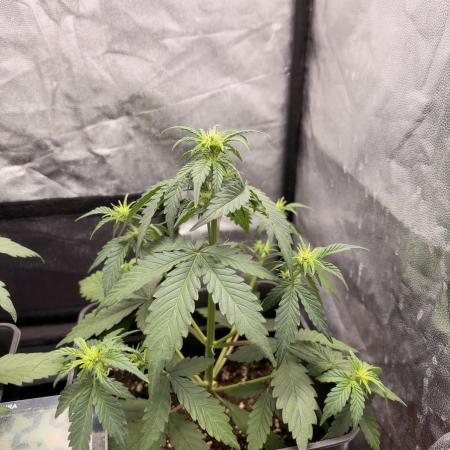
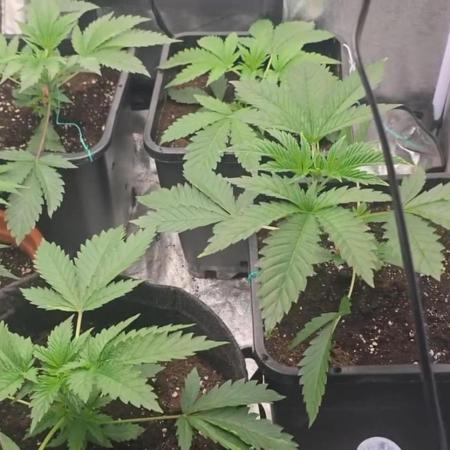
Seeds seeds seeds! Chitral cannabis seeds will be ready in just a couple months!
Thanks to the following players for participating!
<span class="link_user">@TruTraTri</span> <span class="link_user">@Hermannswald</span>
<span class="link_user">@Argos</span> <span class="link_user">@LPinto</span> <span class="link_user">@AsNoriu</span> <span class="link_user">@Wojkers</span> <span class="link_user">@MalumProhibitum</span> <span class="link_user">@Organoman</span> <span class="link_user">@thcishcrud</span> <span class="link_user">@Ratlesnk</span>
The_7_Clubgecommentarieerd
The_7_Clubleuke opmerking
The_7_Clubleuke opmerking
The article does a decent job explaining anthocyanins and how cooler nights can bring out purple colors, but it completely skips over the real history of purple cannabis. It treats Granddaddy Purple from 2003 in California like it invented the whole thing, when purple weed has been around for centuries in places like the Chitral valleys of the Hindu Kush in northern Pakistan.
Local farmers there have grown these landrace plants for generations, selecting them for resin, early finish, and the ability to handle cold mountain nights. The purple phenotypes are a natural part of that population, not some modern breeding trick. Travelers in the 1960s and 1970s already talked about the aromatic, resinous Chitrali hash that often showed those reddish and purple tones from the plants themselves. There are preserved pure lines from before 1970 that still carry those classic traits, with dense hash-grade resin, berry and incense aromas, and solid cold resistance.
Most of the commercial "purple strains" the article pushes are recent unstable hybrids. They throw all kinds of phenotypes, often need forced temperature drops or pH tricks just to show color, and lose a lot of the depth and toughness that the old landraces have. A real Chitral type expresses purple more reliably as part of its genetics and stays more consistent and resilient without all the fuss.
It would be good if these articles gave proper credit to the traditional sources instead of acting like purple cannabis started in Northern California twenty years ago. The landraces were there first and still set the standard for authenticity.
I'm currently running a pure purple Chitral IBL myself right now if anyone wants to see the real thing growing instead of just reading about modern hybrids. You can follow the whole diary here: growdiaries.com/diaries/326499-grow-journal-by-the-7-club/week/1870767
Watch how an authentic landrace actually behaves, colors up, and develops without all the forced tricks the commercial stuff needs.